
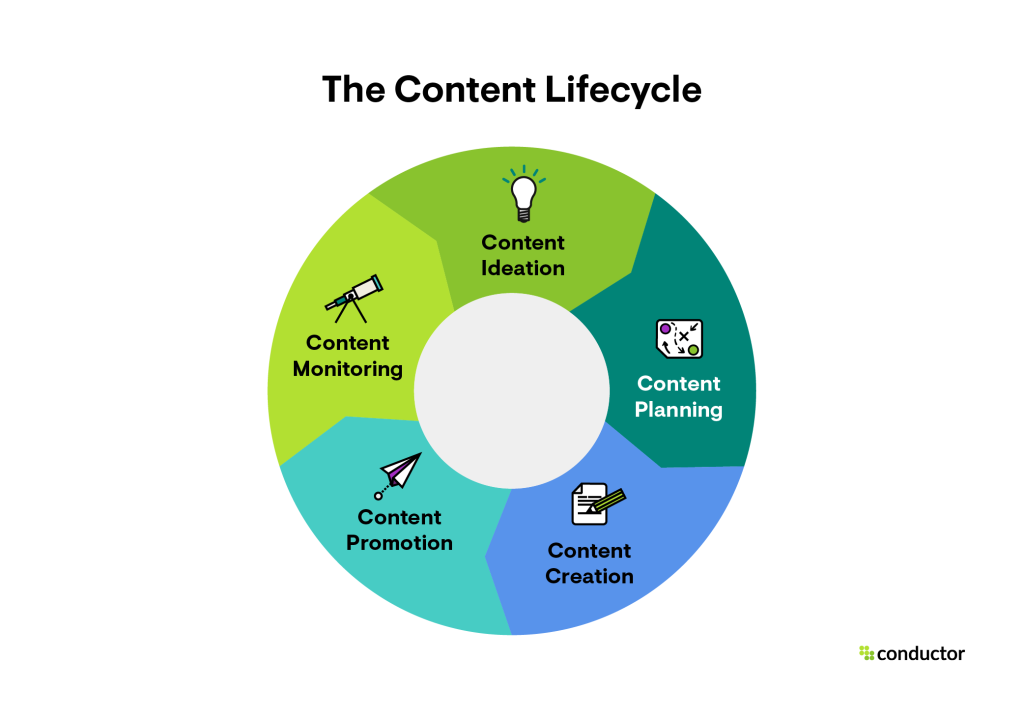
What is content marketing.
Content marketing is a strategic approach in digital marketing that focuses on creating and distributing valuable, relevant, and consistent content to attract and engage a clearly defined target audience. Rather than directly promoting a brand or product, content marketing aims to provide useful information that solves problems, answers questions, or entertains, ultimately building trust and long-term relationships with potential customers.
Common forms of content include blog posts, articles, videos, infographics, podcasts, eBooks, and social media posts. This content is often optimized for search engines (SEO) to increase visibility and drive organic traffic to websites. Content marketing is used at every stage of the customer journey—from awareness and consideration to decision-making—helping guide users toward a purchase or desired action.
One of the key benefits of content marketing is its ability to establish a brand as an authority in its industry, improving credibility and customer loyalty. It also supports other digital marketing strategies like social media, email marketing, and paid ads. When done effectively, content marketing not only boosts brand awareness and engagement but also improves conversion rates and drives sustainable business growth. It’s a long-term investment that delivers consistent results over time.
Why is so powerful.
Content marketing is powerful because it builds trust, engages audiences, and drives long-term results without relying on hard selling. Instead of pushing products, it provides valuable information that solves problems, answers questions, or entertains—creating a stronger connection with the audience. This approach helps establish a brand as an expert or leader in its industry, increasing credibility and loyalty.
Another reason content marketing is powerful is its ability to attract organic traffic through search engine optimization (SEO). High-quality, relevant content improves search rankings, making it easier for potential customers to find a business online. It also supports other digital marketing channels like social media, email, and paid ads by giving them valuable material to share.
Content marketing works throughout the customer journey—from creating awareness to helping with decision-making—making it a versatile and cost-effective strategy. Unlike traditional ads, which stop delivering results once the budget runs out, content can continue to generate leads and traffic for months or even years. This long-lasting impact, combined with its ability to engage and convert, makes content marketing one of the most powerful tools in digital marketing.
Why is important.
Content marketing is important because it helps businesses build trust, engage their audience, and drive long-term growth. Instead of directly promoting products, it focuses on providing useful, informative, or entertaining content that addresses the needs and interests of potential customers. This approach not only attracts attention but also builds credibility and positions the brand as an industry expert.
One major benefit is its ability to generate organic traffic through search engine optimization (SEO). Well-crafted content ranks higher in search results, making it easier for people to discover the brand. It also supports other digital marketing strategies like social media, email marketing, and lead generation by providing valuable material to share and promote.
Content marketing is cost-effective and delivers long-term results. A single piece of quality content can continue to attract and convert customers long after it’s published. By guiding users through every stage of the buyer’s journey—from awareness to decision-making—content marketing plays a vital role in building relationships and increasing sales over time.
How its works.
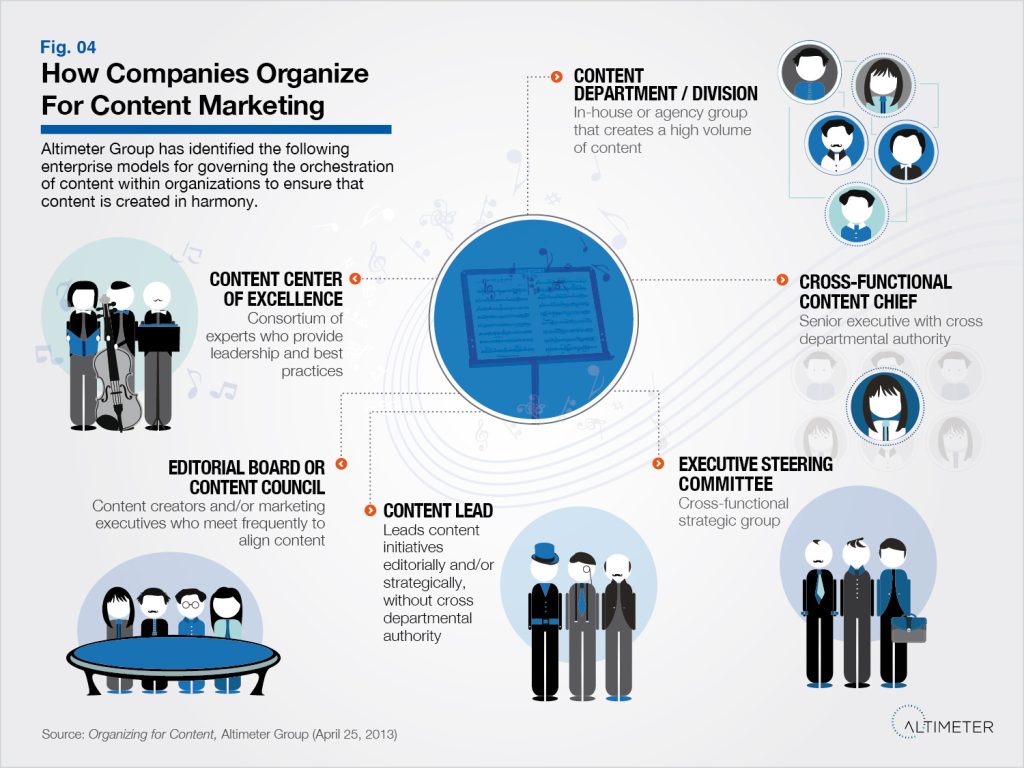
Content marketing works by creating and sharing valuable, relevant content to attract, engage, and convert a target audience. The process begins with understanding the audience’s needs, interests, and pain points. Based on this, businesses create content—such as blog posts, videos, infographics, or social media posts—that provides useful information or solves problems.
Once created, this content is published on platforms like websites, blogs, YouTube, or social media channels. It’s often optimized for search engines (SEO) so that it ranks well and reaches more people organically. The goal is to build trust and keep the audience engaged over time.
As people interact with the content, they become more familiar with the brand. This relationship increases the likelihood that they’ll take a desired action, such as signing up for a newsletter, requesting a quote, or making a purchase. Over time, consistent content marketing helps turn casual visitors into loyal customers and long-term brand advocates.
What are the techniques.
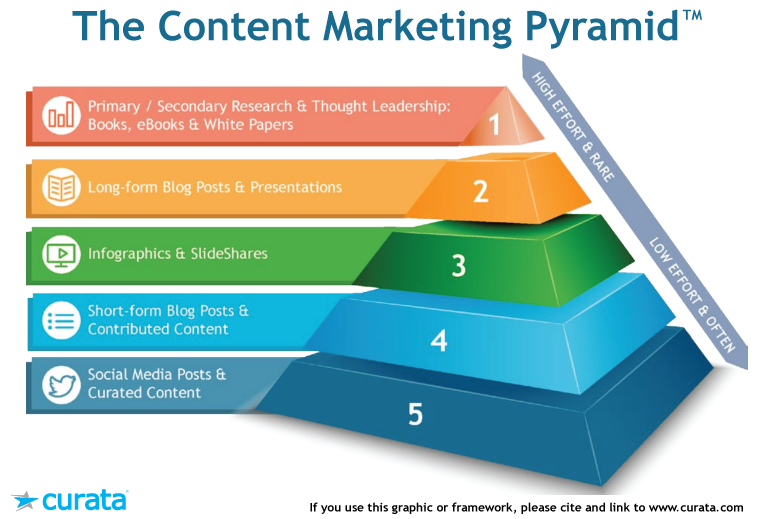
Content marketing involves several effective techniques to attract and engage audiences. One key technique is blogging, where businesses publish informative articles that answer common questions, solve problems, or provide industry insights. This helps drive organic traffic through search engine optimization (SEO).
Video marketing is another powerful method, as videos are highly engaging and can explain complex topics quickly. Platforms like YouTube, TikTok, and Instagram are ideal for this format. Infographics are also popular, as they present data or processes visually, making information easier to understand and share.
Social media content is crucial for reaching audiences where they spend time daily. Sharing posts, stories, and reels helps maintain brand visibility and interaction. Email newsletters are used to share content regularly with subscribers, keeping them informed and engaged.
E-books, whitepapers, and case studies provide in-depth knowledge and are great for lead generation. Lastly, user-generated content—like reviews, testimonials, or social media mentions—adds authenticity and builds trust. Combining these techniques effectively helps create a strong and successful content marketing strategy.