

What is freelancing?
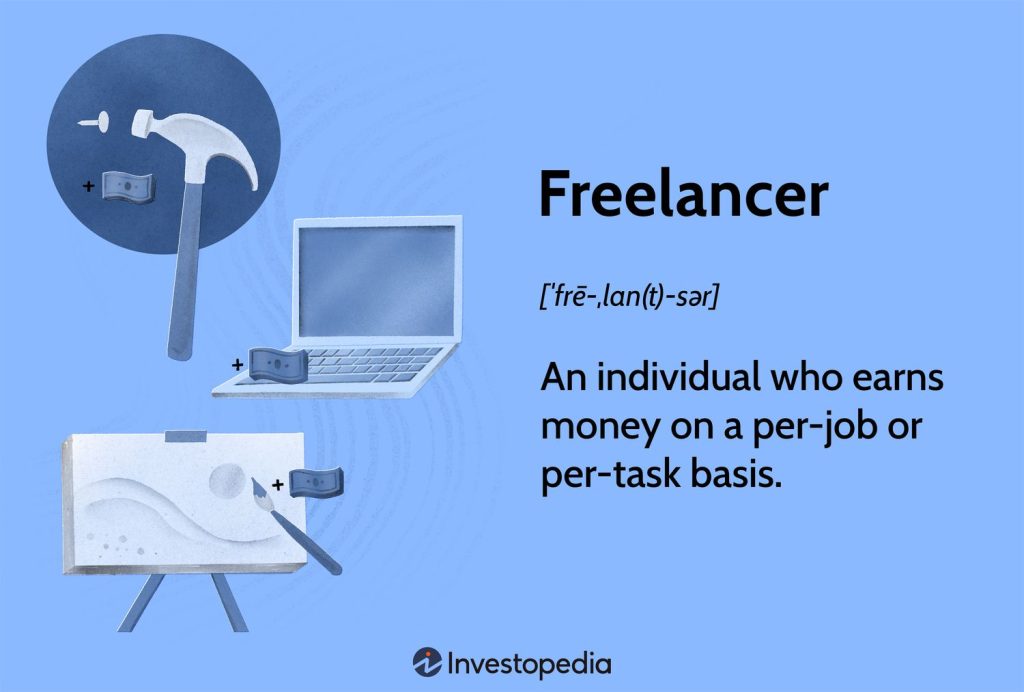
Freelancing in digital marketing refers to working independently as a self-employed professional offering digital marketing services to clients without being tied to a single company. Freelancers in this field provide a wide range of services, such as social media management, search engine optimization (SEO), content creation, email marketing, pay-per-click (PPC) advertising, and more. They often work remotely and can serve multiple clients simultaneously, giving them flexibility in their schedule and work choices.
Freelance digital marketers use their expertise to help businesses grow their online presence, increase brand awareness, generate leads, and boost sales. They typically negotiate contracts on a project or hourly basis and deliver customized marketing solutions based on the client’s needs and goals.
This type of freelancing is popular because it offers freedom and the opportunity to work with diverse industries and clients worldwide. It also requires continuous learning and adapting to new digital marketing trends and tools to stay competitive. For businesses, hiring freelancers can be cost-effective and efficient, especially for short-term projects or when they need specialized skills that their in-house team lacks. Overall, freelancing in digital marketing is a dynamic and growing career path in today’s digital economy.
Why is important.
Freelancing in digital marketing is important because it offers flexibility, specialization, and cost-effectiveness for both professionals and businesses. For freelancers, it provides the freedom to choose projects, work remotely, and manage their own schedules. This flexibility allows them to balance multiple clients and continuously develop diverse skills across different industries.
For businesses, hiring freelance digital marketers is often more affordable than employing full-time staff, especially for short-term projects or specialized tasks like SEO, social media campaigns, or content creation. Freelancers bring fresh perspectives and expertise that can boost a company’s online presence and marketing effectiveness.
Freelancing also fosters innovation and adaptability since freelancers stay updated with the latest digital marketing trends and tools to remain competitive. This ensures clients receive modern, effective strategies tailored to their unique goals.
In a rapidly evolving digital landscape, freelancing provides a scalable and agile approach to marketing. It supports startups, small businesses, and large companies alike, helping them access expert talent without long-term commitments. This makes freelancing a vital and growing part of the digital marketing ecosystem.
What are the types.
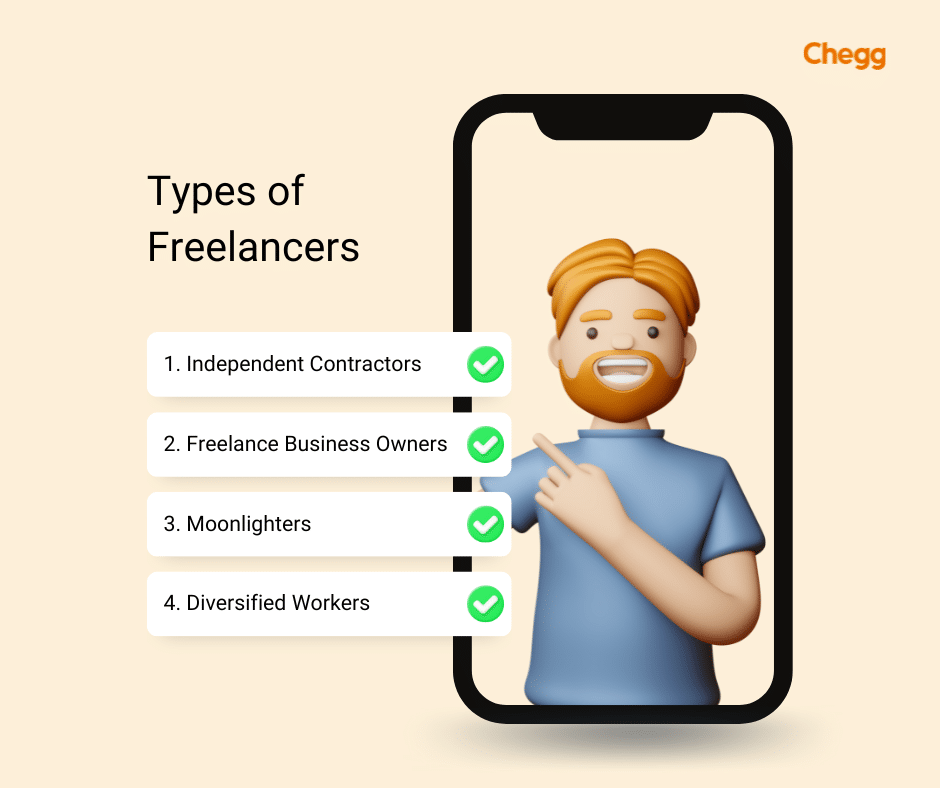
There are several types of freelancing in digital marketing, each focusing on different skills and services. Content marketing freelancers create blog posts, articles, videos, and social media content to engage audiences and improve SEO. SEO specialists optimize websites and content to rank higher in search engine results, driving organic traffic.
Social media marketers manage social media accounts, create campaigns, and interact with followers to build brand awareness and engagement. Pay-per-click (PPC) advertisers design and manage paid advertising campaigns on platforms like Google Ads and Facebook Ads to generate targeted leads quickly.
Email marketing freelancers create and manage email campaigns to nurture leads and maintain customer relationships. Graphic designers produce visual content such as banners, infographics, and ads that enhance marketing messages.
Other types include web analysts who interpret data to improve marketing strategies, and affiliate marketers who promote products in exchange for commissions. These specialized roles allow freelancers to offer tailored services that fit a wide range of business needs within digital marketing.
What are the benefits.
Freelancing in digital marketing offers many benefits for both freelancers and businesses. For freelancers, it provides the freedom to choose projects, work from anywhere, and set flexible hours, promoting a better work-life balance. It also allows them to work with diverse clients across various industries, enhancing their skills and experience.
For businesses, hiring freelance digital marketers is cost-effective, especially for short-term projects or when specific expertise is needed. Freelancers bring fresh ideas and up-to-date knowledge of the latest marketing trends and tools, helping businesses stay competitive.
Freelancing also enables quick scaling of marketing efforts without the long-term commitment of hiring full-time employees. It fosters innovation since freelancers often offer creative solutions tailored to a client’s unique needs.
Overall, freelancing in digital marketing creates a win-win situation—freelancers enjoy autonomy and variety, while businesses gain access to specialized talent and flexible resources, driving better marketing results.
Why choose freelancing.
Choosing freelancing in digital marketing offers numerous advantages, especially for those seeking flexibility, independence, and career growth. Freelancers have the freedom to choose their clients, set their schedules, and work from any location, which promotes a better work-life balance. This independence allows them to focus on projects they are passionate about and develop expertise in specific areas like SEO, social media, or content creation.
Freelancing also provides the opportunity to work with a variety of clients and industries, which helps build a diverse portfolio and gain valuable experience. As demand for digital marketing continues to grow, skilled freelancers can enjoy steady income and professional growth.
For those who value continuous learning and adaptability, freelancing encourages staying updated with the latest tools, trends, and strategies. It also opens the door to entrepreneurship, allowing individuals to build their own brand or agency. Overall, freelancing offers freedom, flexibility, and the potential for long-term success in the digital marketing field.
How its works.
Freelancing in digital marketing works by offering services to clients on a project or contract basis. A freelancer first identifies their skill set—such as SEO, content creation, or social media management—and promotes these services through platforms like Upwork, Fiverr, LinkedIn, or personal websites. Clients hire freelancers based on their experience, portfolio, and rates. Once hired, the freelancer completes tasks remotely, communicates regularly with the client, and delivers results within agreed timelines. Payment is usually made per project, per hour, or on a retainer basis. Successful freelancers build strong reputations and long-term client relationships through quality work and reliability.