What is paid advertising?
Paid advertising in digital marketing refers to the practice of paying to promote products, services, or content on digital platforms to reach a targeted audience. Unlike organic methods that rely on unpaid strategies, paid advertising allows businesses to quickly gain visibility, drive traffic, and achieve specific marketing goals such as lead generation, sales, or brand awareness.
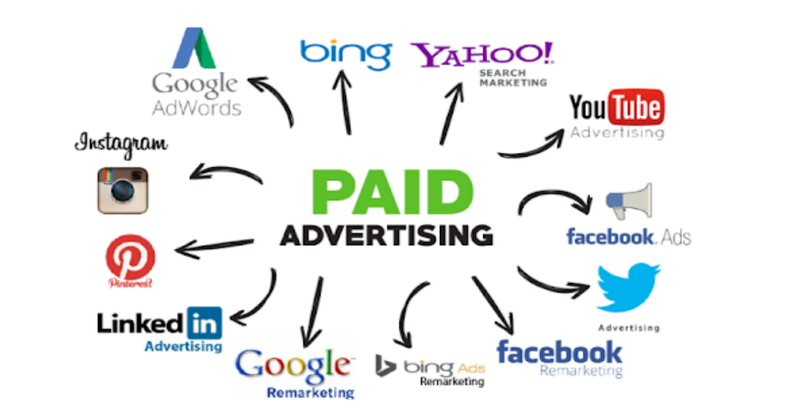
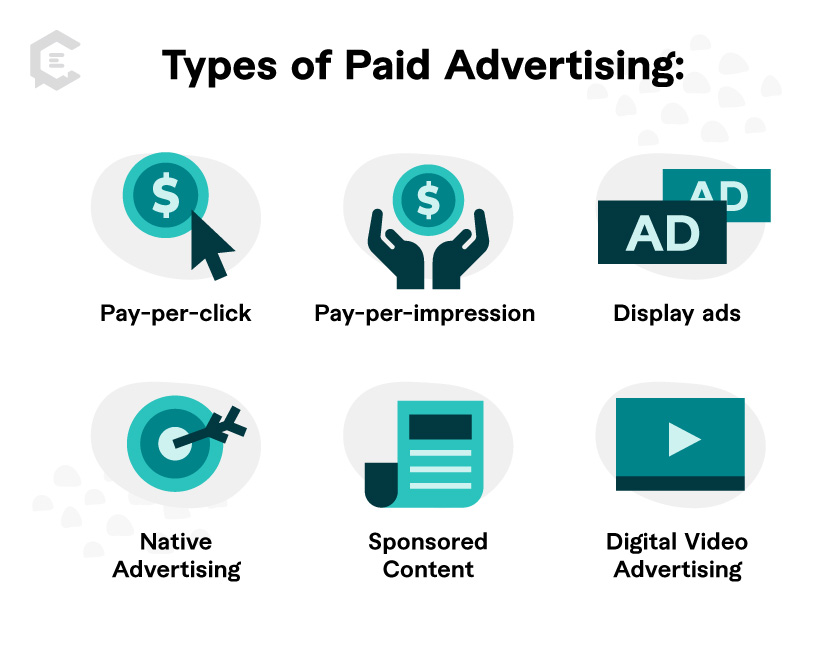
Common types of paid advertising include pay-per-click (PPC) ads, where advertisers pay each time someone clicks on their ad, and display ads, which appear as banners or images on websites. Other forms include social media ads (on platforms like Facebook, Instagram, LinkedIn, and TikTok), search engine ads (mainly on Google and Bing), video ads (on YouTube or streaming services), and native ads, which blend seamlessly with content.
One of the key advantages of paid advertising is precise targeting. Advertisers can focus their campaigns based on demographics, interests, location, and online behavior. This ensures that the ads are shown to the most relevant audience, maximizing return on investment (ROI).
Paid advertising also offers measurable results. Marketers can track performance in real time, adjust strategies, and optimize campaigns for better outcomes. Overall, it’s a powerful tool for quickly boosting online visibility and achieving business objectives.
what are the types of advertising.
There are several types of advertising in digital marketing, each serving different goals and platforms:
- Search Engine Advertising (PPC) – Ads that appear on search engines like Google or Bing. Advertisers pay when users click their ads (pay-per-click).
- Display Advertising – Visual ads (banners, images, or videos) shown on websites, apps, or social media to increase brand awareness or drive traffic.
- Social Media Advertising – Paid promotions on platforms like Facebook, Instagram, LinkedIn, TikTok, and Twitter. These ads can be targeted based on user behavior, interests, and demographics.
- Video Advertising – Short video ads shown before, during, or after video content on platforms like YouTube or social media.
- Native Advertising – Ads that match the form and function of the platform they appear on, making them less intrusive and more engaging.
- Influencer Advertising – Collaborating with influencers to promote products through sponsored content on their social channels.
- Affiliate Advertising – Businesses pay affiliates a commission for driving traffic or sales through referral links.
Each type plays a key role in reaching different audiences and achieving specific marketing goals.
what is ppc? [pay per click]
PPC (Pay-Per-Click) is a form of digital advertising where advertisers pay a fee each time someone clicks on their ad. It’s a way to buy visits to a website rather than earning them organically. The most common platform for PPC is Google Ads, where businesses bid on keywords related to their products or services, and their ads appear on search engine results pages (SERPs).
When a user types a keyword into a search engine, ads related to that keyword may appear at the top or bottom of the results. If the user clicks the ad, the advertiser pays a predetermined amount, known as the cost-per-click (CPC). Other platforms like Facebook, Instagram, and LinkedIn also offer PPC advertising based on user interests and demographics.
PPC is effective because it delivers immediate results, offers precise targeting, and provides measurable data. It’s widely used for lead generation, boosting website traffic, and increasing sales, making it a key strategy in digital marketing.
why is important in social media.
Paid advertising on social media is important because it allows businesses to reach a highly targeted and engaged audience quickly and effectively. Social media platforms like Facebook, Instagram, LinkedIn, and TikTok collect detailed user data, which advertisers can use to target specific demographics, interests, behaviors, and locations. This ensures that ads are shown to the right people, increasing the chances of engagement, conversions, and sales.
Unlike organic content, which depends on algorithms and can have limited reach, paid advertising provides immediate visibility. Brands can promote new products, services, or campaigns instantly, gaining attention and driving traffic to websites or landing pages. It also allows for flexible budgeting, so businesses can start small and scale as needed.
Another major benefit is the ability to track and measure performance in real time. Marketers can analyze metrics such as impressions, clicks, and conversions to optimize campaigns for better results. In a competitive digital world, paid social media advertising is a powerful tool for increasing brand awareness, generating leads, and achieving specific marketing goals efficiently and effectively.
How Does Paid Search Work?
Paid search works by allowing businesses to display ads on search engine results pages (SERPs) like Google or Bing when users search for specific keywords. This form of advertising is typically known as pay-per-click (PPC), meaning advertisers only pay when someone clicks on their ad.
The process begins with advertisers selecting relevant keywords related to their products or services. They then create text-based ads and set a bid amount—how much they’re willing to pay for each click. When a user performs a search, the search engine runs an auction to determine which ads appear and in what order.
Factors that influence ad placement include the bid amount, ad relevance, quality score (based on ad and landing page quality), and expected click-through rate (CTR). The highest-ranking ads appear at the top of the search results.
Paid search provides immediate visibility, drives targeted traffic, and allows advertisers to track results in real time. It’s especially effective for reaching users who are actively searching for spe