
What is SEO .
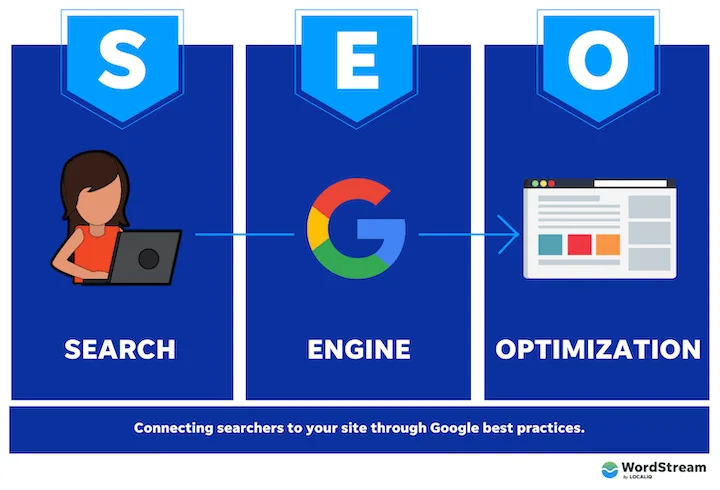
SEO, or Search Engine Optimization, is a crucial component of digital marketing that focuses on improving a website’s visibility in organic (non-paid) search engine results. The primary goal of SEO is to drive more targeted traffic to a website by increasing its ranking for relevant keywords and phrases on search engines like Google, Bing, or Yahoo.
SEO in digital marketing includes several strategies, typically categorized into three main areas: on-page SEO, off-page SEO, and technical SEO. On-page SEO involves optimizing elements on the website itself, such as content, meta titles, descriptions, headers, and keyword usage. Off-page SEO focuses on activities outside the website, such as link building, social sharing, and influencer outreach, which help build the site’s authority and credibility. Technical SEO ensures that the website’s infrastructure, such as site speed, mobile responsiveness, secure connections (HTTPS), and proper indexing, supports search engine crawling and ranking.
By aligning content with what users are searching for and adhering to search engine algorithms, SEO helps businesses reach their target audience organically. Unlike paid ads, SEO offers long-term value by continually attracting visitors without ongoing ad spend. It’s an essential tool for increasing brand awareness, generating leads, and driving conversions in digital marketing.
What types of SEO .
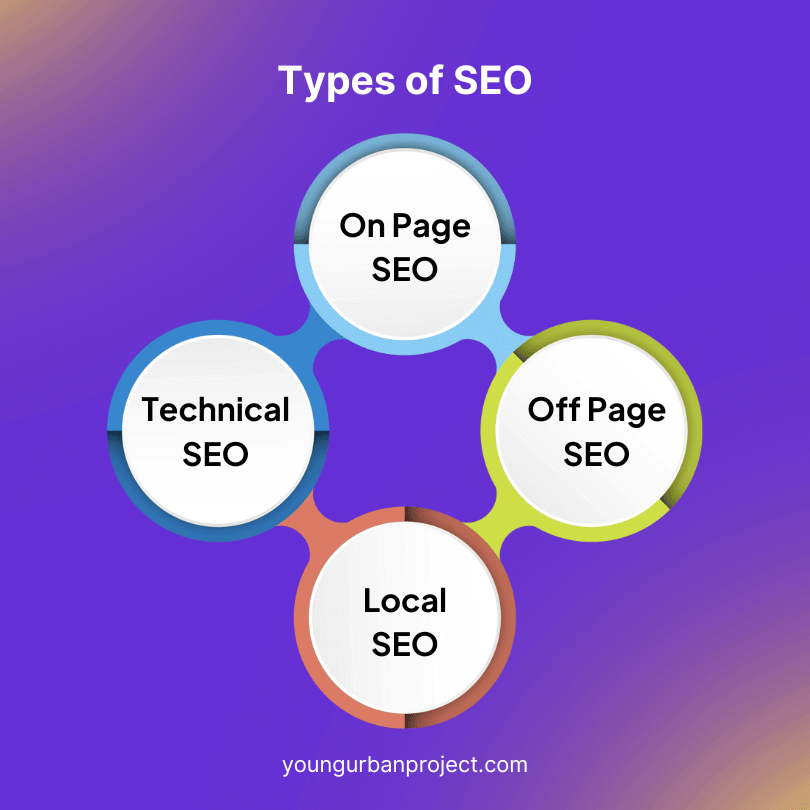
There are several types of SEO, each focusing on different aspects of website optimization to improve search engine rankings and user experience. The main types are on-page SEO, off-page SEO, technical SEO, and local SEO.
On-page SEO involves optimizing content and HTML elements on a website. This includes using relevant keywords, writing high-quality content, optimizing title tags, meta descriptions, headings, internal links, and ensuring proper keyword placement. The goal is to make individual pages more relevant to specific search queries.
Off-page SEO refers to actions taken outside the website to improve its authority and credibility. This primarily involves building high-quality backlinks from reputable websites. Social media marketing, influencer outreach, and brand mentions also contribute to off-page SEO by increasing online visibility and trustworthiness.
Technical SEO focuses on the backend structure of the website. It ensures that search engines can crawl and index the site effectively. Key aspects include site speed, mobile-friendliness, secure connections (HTTPS), proper URL structures, XML sitemaps, and fixing crawl errors.
Local SEO targets location-based searches. It involves optimizing a business’s online presence for local search results by managing Google Business Profile, acquiring local citations, and encouraging customer reviews.
Each type plays a vital role in a comprehensive SEO strategy.
Why is SEO important .
SEO (Search Engine Optimization) is important because it helps businesses increase their online visibility and attract organic traffic from search engines like Google. In today’s digital world, most consumers begin their buying journey with a search. If your website ranks high in search results, you’re more likely to be discovered by potential customers.
SEO builds trust and credibility by aligning your content with user intent and ensuring a smooth, user-friendly website experience. Unlike paid advertising, which stops driving traffic once the budget ends, SEO delivers long-term results, offering a higher return on investment over time.
It also improves brand awareness, enhances user engagement, and supports other digital marketing efforts. Whether you’re a small local business or a global brand, SEO helps you compete effectively by reaching the right audience at the right time. Overall, SEO is essential for driving sustainable growth, increasing conversions, and staying competitive in the digital marketplace.
What is the main work of SEO .
The main work of SEO (Search Engine Optimization) is to improve a website’s visibility in organic search engine results. This is done by optimizing various elements of the site to make it more attractive to both search engines and users. SEO focuses on identifying and targeting relevant keywords that potential customers are searching for and incorporating them naturally into content.
It involves optimizing on-page elements such as titles, meta descriptions, headers, images, and internal links, ensuring the content is valuable and relevant. SEO also includes off-page strategies like building quality backlinks from other reputable websites to boost credibility and domain authority.
Additionally, technical SEO ensures the website is easy to crawl and index by search engines, addressing aspects like site speed, mobile-friendliness, and secure connections. The ultimate goal of SEO is to drive more qualified, organic traffic to the site, increase visibility, and improve chances of converting visitors into customers.
How build am SEO strategy .
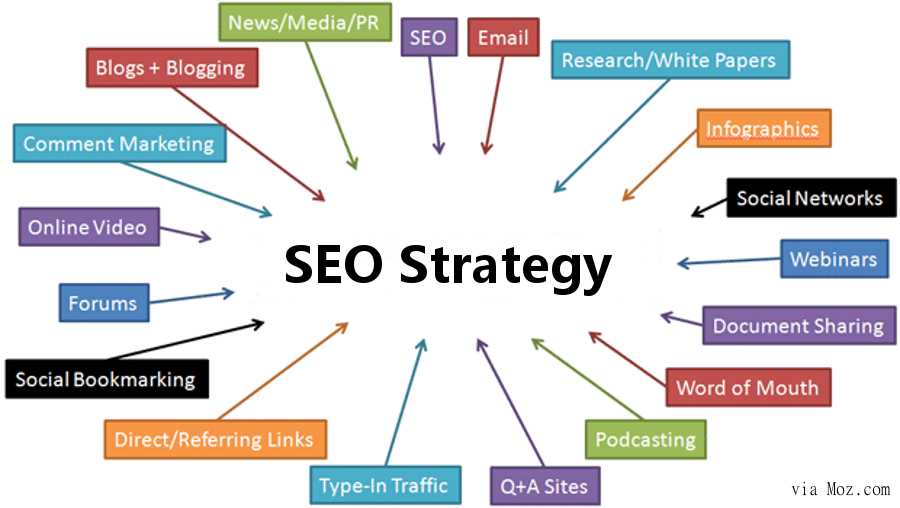
Building an effective SEO strategy involves several key steps to improve your website’s visibility and ranking in search engine results:
- Set Clear Goals: Define what you want to achieve, such as increased traffic, more leads, or higher sales.
- Keyword Research: Identify relevant keywords your target audience is searching for using tools like Google Keyword Planner or SEMrush.
- Competitor Analysis: Study your competitors’ websites to understand what keywords they rank for and what content performs well.
- On-Page Optimization: Optimize titles, meta descriptions, headers, images, and content using your chosen keywords.
- Technical SEO: Ensure your website loads quickly, is mobile-friendly, has secure HTTPS, and includes XML sitemaps and clean URLs.
- Content Creation: Develop high-quality, informative, and engaging content that satisfies user intent and answers search queries.
- Link Building: Acquire high-quality backlinks from reputable websites to increase authority.
- Track and Improve: Use tools like Google Analytics and Search Console to monitor performance and make adjustments as needed.
Consistency and regular updates are key to a successful SEO strategy.